There is so much noise in AI - from blogs to videos to courses today. Most people are still hunting for the next “shiny” AI model to explore and experiment. Here is the truth:
Real ROI of AI isn’t found in a new tab - it’s found in your current workflow.
💡 My Take: End of “Destination AI”
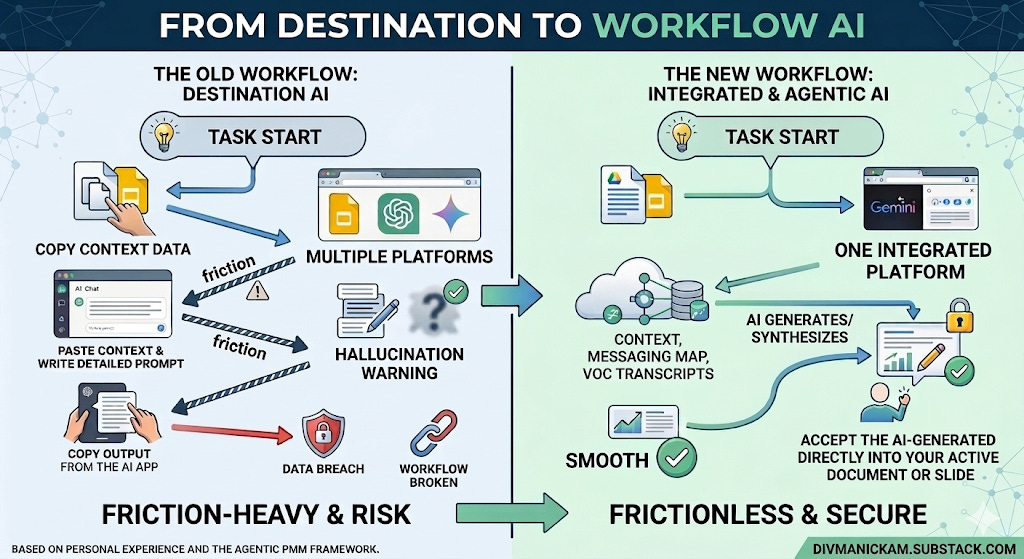
I’ve had a major workflow shift recently. I don’t “go” to the Gemini app anymore. Because I have everything in my Google Drive, I use Gemini right within my Chrome browser, Google Docs/Slides, and agentic workflows.
My Shift: From Destination to Workflow
Trigger: Need to generate messaging or analyze data.
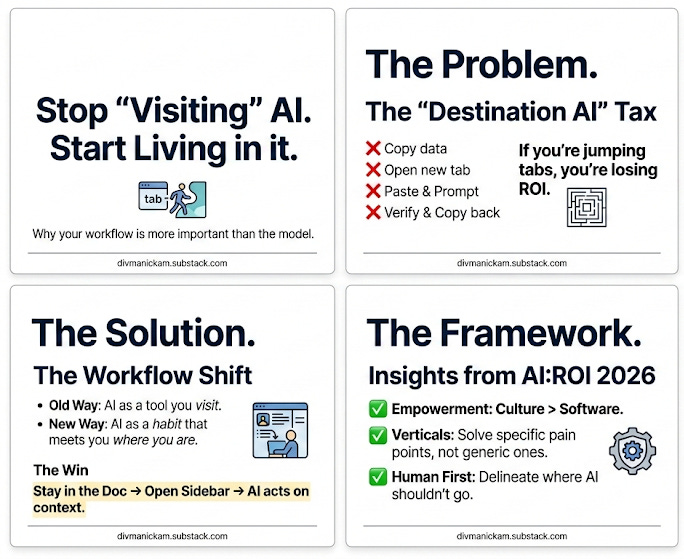
Old: Copy data → Open new tab → Prompt → Verify → Copy back. (High friction, high risk).
New: Stay in the Doc → Open Sidebar → AI acts on context. (Zero friction, secure & accurate).
AI is no longer a tool I visit; AI is a habit that meets me where I am.
This is the essence of Agentic PMM - moving from passive assistance to autonomous execution within your existing ecosystem.
Workflow Over Apps or Data: Meet users where they are (Apps, Docs, Slides, Browser).
Agentic Future: Shift from “chatting” to “doing” with Agentic AI.
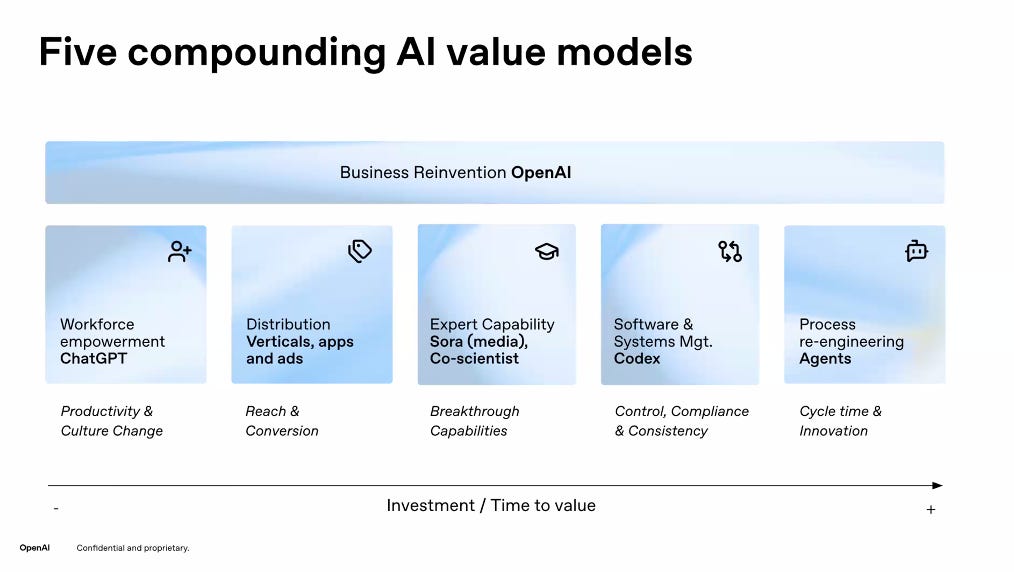
Compounding Gains: Empowerment + Distribution = Long-term ROI.
Data Governance: Use enterprise-grade platform to keep proprietary data confidential.
🏛️ Insights from the AI ROI Conference
At the AI ROI Conference (3.5.26), the big “aha” moment was that AI is a compounding asset.
Workforce Empowerment: ROI isn’t just about software; it’s about culture change. If your team isn’t empowered to use AI daily, the productivity gains never materialize.
Industry: Stop using generic AI. The true value is in verticals —specialized applications for specific industry needs.
Delineation: Leaders are now focused on “delineating which part should not be AI” to maintain the human touch where it matters most.
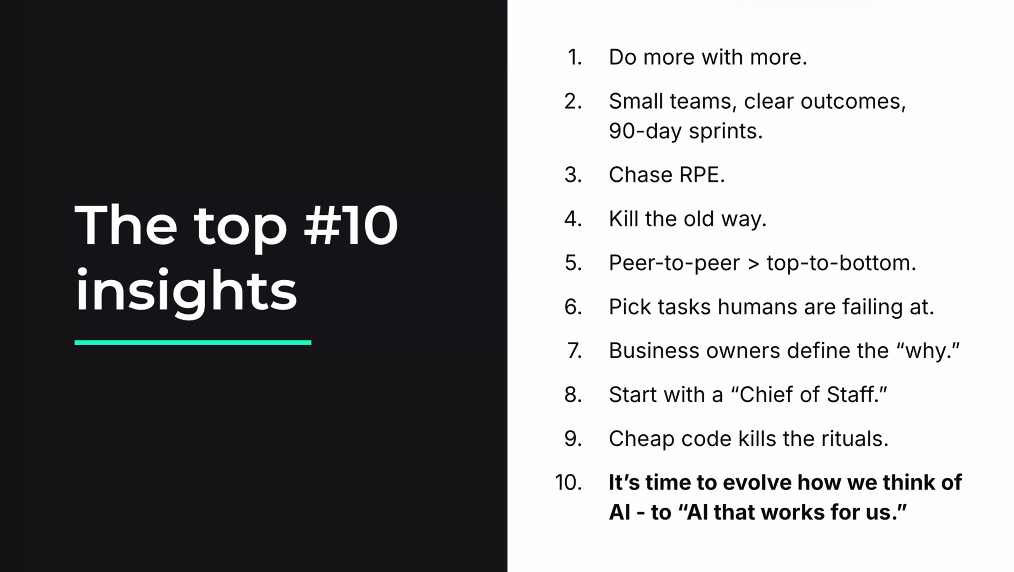
Three actions to consider for me: #2. Small teams, clear outcomes, 90-day sprints. #5. Peer-to-peer > top-to-bottom.
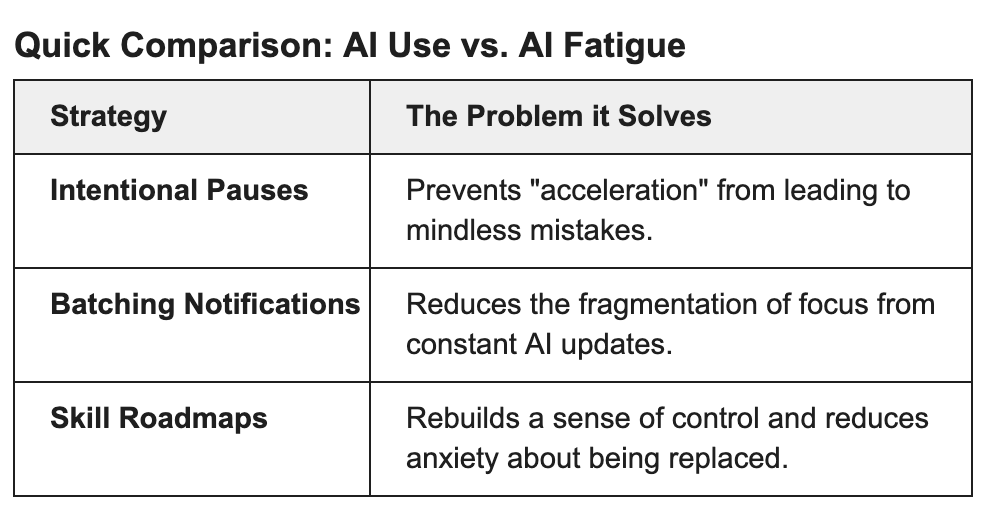
AI often increases workloads instead of reducing them. Build an AI Practice with these core habits:
Intentional Pauses: Check assumptions to avoid “AI acceleration” mistakes.
Sequencing: Batch AI tasks to protect focus and reduce context-switching.
Human Grounding: Prioritize team connection to spark real creativity.
Beat AI Burnout
To prevent AI-related burnout and “workload creep,” experts suggest a combination of individual boundaries and organizational changes.
For Individuals: Protect Your Energy
Set “AI Hours”: Avoid being constantly “AI-ready.”
Human First: Reserve your unique expertise for high-value tasks.
Oasis Moments: Fully disconnect—no “one last prompt.”
For Leaders: Build a Healthy Culture
Burnout Debriefs: Discuss intensity after major AI projects.
Phased Rollouts: Sequence new tools to avoid team overwhelm.
Cisco AI security framework The Integrated AI Security and Safety Framework provides a unified taxonomy to help organizations understand and track evolving threats across AI models, agents, and ecosystems.
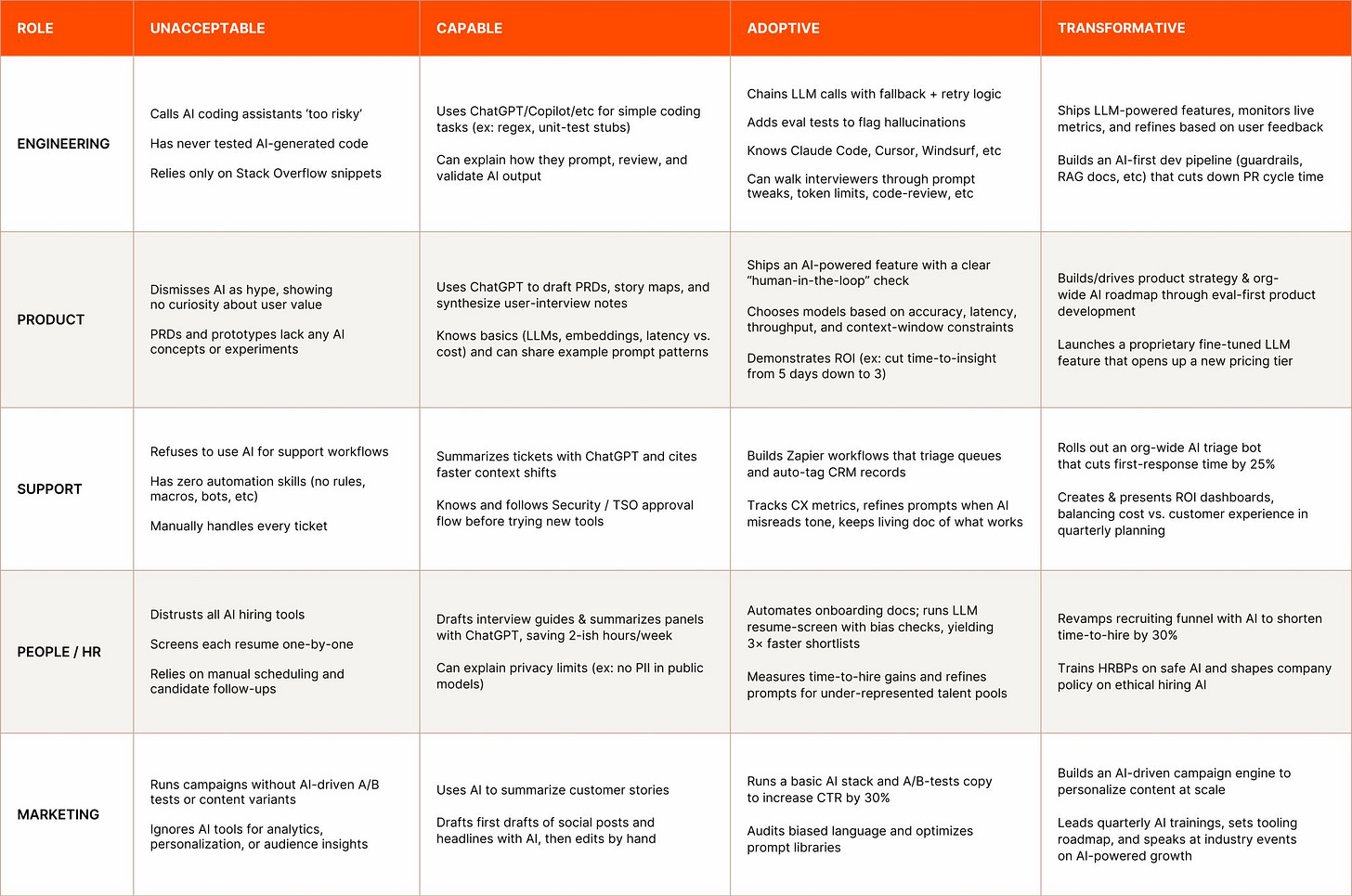
Curiosity and competence are the key attributes for hiring. Zapier internal AI Proficiency: We map skills across 4 levels: Unacceptable, Capable, Adoptive, and Transformative.
1️⃣ Unacceptable: Resistant to AI tools and skeptical of their value.
2️⃣ Capable: Using the most popular tools. Likely under 3 months of hands-on experience
3️⃣ Adoptive: Embedding AI in personal workflows. Tuning prompts, chaining models, and automating tasks to boost efficiency.
4️⃣ Transformative: Uses AI not just as a tool, but to rethink strategy and deliver user-facing value that wasn’t possible two years ago
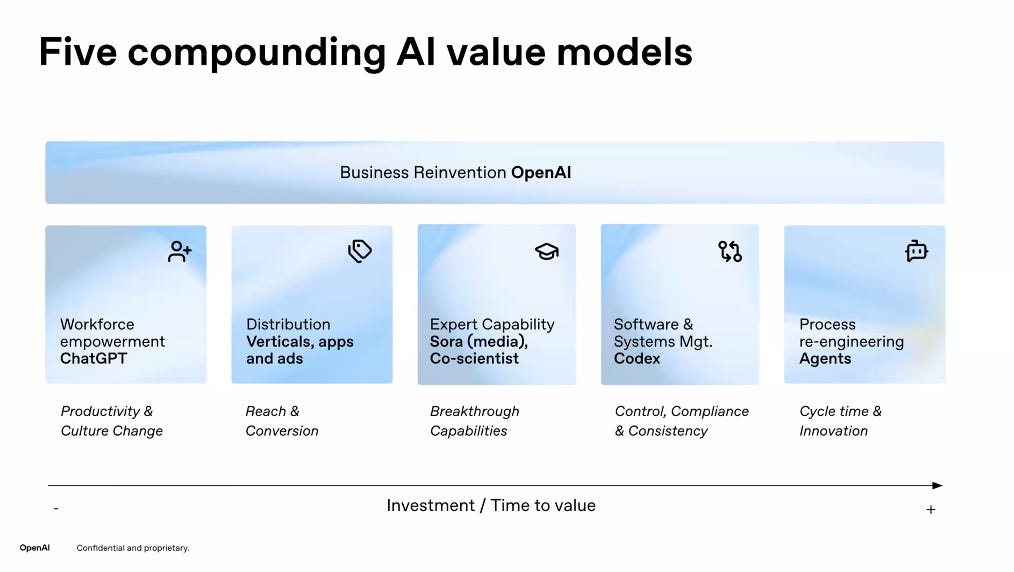
Brice Challamel - “We are the stewards of ecosystems of intelligence”. Power of Why - A conversation about human empowerment and technology adoption, enabled by AI and inspired by your questions.
Brice Challamel - 5 AI value models
AI Collective - Building the human layer for the AI era. A global non-profit community of over 200,000 pioneers and researchers dedicated to building the "human layer" of the AI era through trust, openness, and cross-disciplinary collaboration.
🎓 Lessons from “AI for Leaders”
AI for Leaders webinar this week (with Jide Sobanjo & Section), reinforced this “workflow-first” mentality with a few reminders for AI leadership:
Cost of Cognition is Dropping: Knowledge work that was once expensive is becoming “close to zero friction.”
AI is Moving Up the Org Chart: 18 months ago, AI was an “Intern.” Today, it’s an “Analyst.” Soon, it will be a “Decision-maker.”
3x Leader: The goal for modern leaders is to 3x their teams by treating AI as an intelligent, high-speed teammate - while staying vigilant about its “hallucinations” and biases.
Bottom Line: If you’re still jumping between tabs and workflows to use AI, you’re working too hard. The future isn’t a better prompt; it’s a better-integrated agent.
If you’re feeling overwhelmed by AI content, stop looking for more options. Instead, look for integrations that solve a specific use case. ROI isn’t found in the newest LLM; it’s found in the workflow that stays.
Accelerate Time-to-Value: Measure efficiency gains and "micro-wins" to build internal momentum and prove the AI's functional utility within 30–90 days.
Cultivate Soft ROI: Track improvements in employee experience and cultural agility, as high adoption rates and reduced burnout are the leading indicators of long-term success.
Target Realized ROI: Focus on the 6-to-24-month horizon to capture measurable financial impact - sustained revenue growth, cost reduction, and risk mitigation.
Don't look for a better chatbot or agent. Find a better workflow. If the AI isn't in the document with you, you're leaving ROI on the table.
AI burnout is so real and has the potential to slow down work. For me, I see how it can impact my ability to move faster if I do not develop (what I will now call) and AI Practice. I would love to read more on how you recommend building an AI practice mindfully.







Div, thanks for the recap and commentary from the Section AI ROI Conference.
I'm starting to feel the tension between "living in it" (in a healthy way) and "just one more prompt!" (when I should get offline.)
AI burnout is so real and has the potential to slow down work. For me, I see how it can impact my ability to move faster if I do not develop (what I will now call) and AI Practice. I would love to read more on how you recommend building an AI practice mindfully.